
I was wrong.

How often do we hear those words? How often do we say them? In my youth, uttering them was nearly impossible. I equated them to defeat, embarrassment, weakness, maybe even shame. A lot of weight and feelings for three little words. But, we all know three little words can carry a lot, depending on which ones they are.
Now I won’t point fingers but I did have a mother who prided herself on always being right, even when she wasn’t. The running joke in my family was that one day my father finally grew tired of her claiming she had seen more bunnies in the fields than him on the drive to our country house. He asked her to write the number on a piece of paper. He wrote the number seven. She wrote “One more than you.” You see what I was up against?
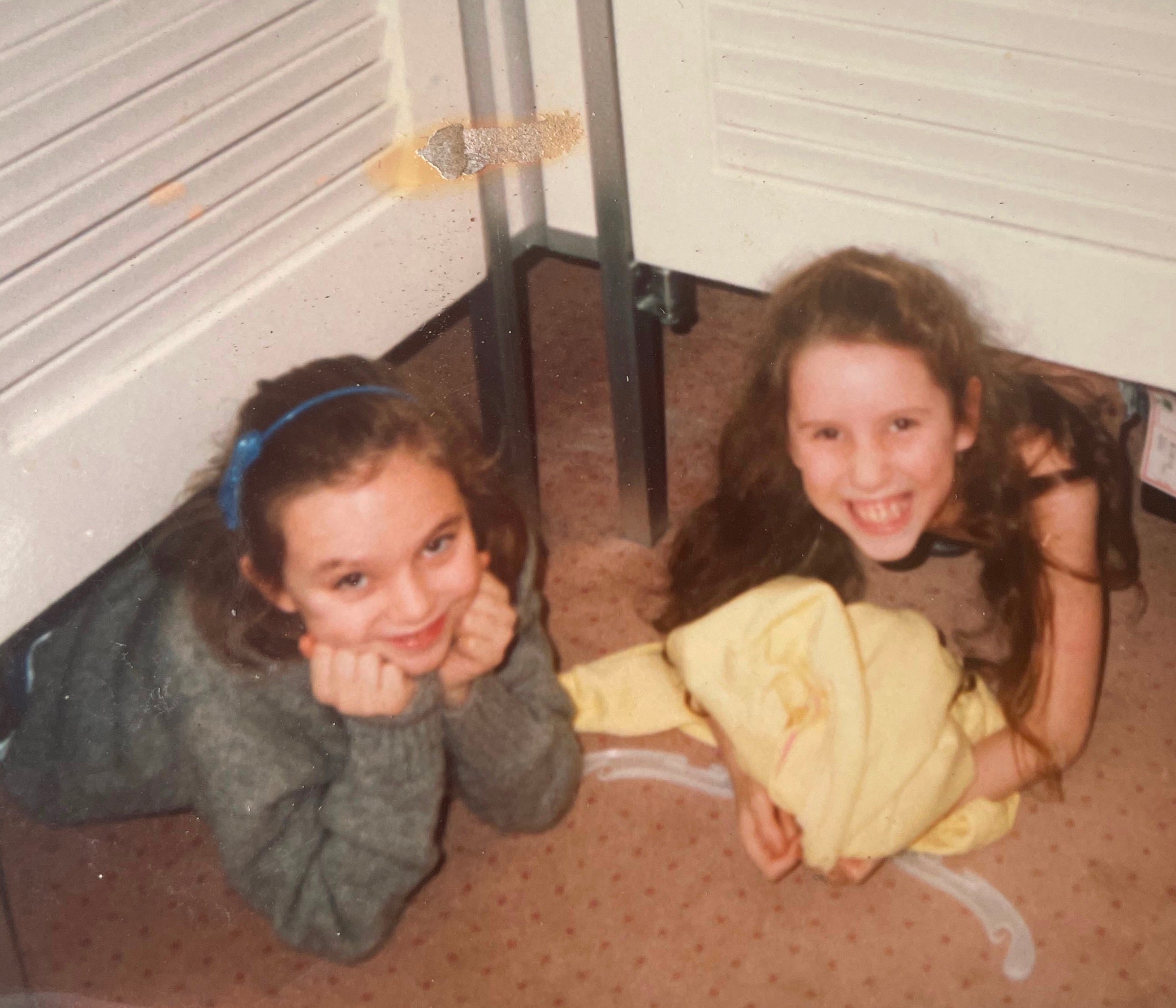
My own resistance to those words began very early. I was the youngest in my family and the most rowdy. I ate the fish food instead of feeding the fish. I climbed armoires and hung from them. Getting into trouble was second nature. What I actually feared was being wrong. In my child mind, “I was wrong” meant one thing: losing. And I was a sore loser. So terrible that when my sister would start bragging about winning Monopoly or whatever board game we were playing, the anger in me boiling, I would simply flip the board and scream, “Well, who is winning now?”
Our behavior in the world has consequences. The way we speak, the way we act, the choices we make, they inevitably affect other people. It is the nature of living amongst others, in society. And when we recognize that our behavior is out of alignment, when we see clearly that we crossed a moral, legal, unspoken but real line, why is it so difficult to say so? What is wrong with saying “I was wrong”?
It seems that saying those words carry more than we would like to admit. It can threaten not just your pride. I have seen it threaten people’s sense of self. If you have built your entire identity around being the one who knows, the one who is justified, the one who cannot be questioned, then admitting fault feels like a crack in the foundation. But isn’t it the opposite which is true? The inability to admit fault reveals how fragile that identity really is. It is all based on fluff, on a swollen ego which every time it slightly hits a corner, bruises, nearly scars. When you say “I was wrong” aren’t you malleable, able to adjust to reality?
Also, there is a strange freedom in those words. When you say them, the story stops. The defensive arguments stop. The endless mental gymnastics stop. Responsibility lands where it belongs, and once it lands, you are free to move again. By not admitting fault, you are in a constant state of defense, of justification. Resentment accumulates, and every argument moving forward is based on the previous fault never recognized. The snowball effect kicks in: trust erodes, it becomes a power play rather than humans finding ways to understand, care or love.
And yet it is the opposite we see daily in the media, politics, work, friendships, relationships. Denial has become the overwhelming M.O., almost a virtue. The language of accountability has been replaced with the language of justification. Not being accountable leads to a dangerous form of entitlement, actually leading to threatening, violent, and illegal behaviors. It all starts with not being able to say those words.
It is still not always easy for me to say those words and try to savor the growth that comes with it. As adults, we invent explanations, build defenses, and twist reality to avoid saying: “I was wrong.” It took me a minute to realize that saying them no longer means losing. It is simply the adult version of flipping the board: it frees you from the childish game.
I love this piece and how true it is. Every spiritual and personal growth practice suggests that it is better to 'promptly admit our wrongs'. I have found that instead of shaking my identity and feeling it is crumbling to the ground, it builds strength, moral fiber and esteem. Like all your pieces, I love the thoughtful, quiet wisdom of all your substack posts. I look forward to more of Mathilde's World Wisdom.